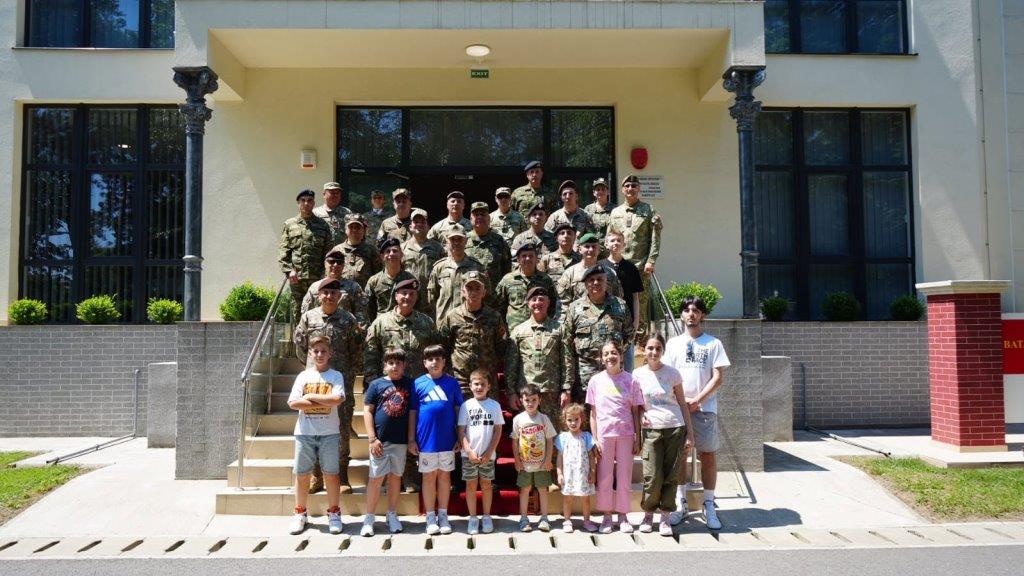
Strengthening Regional Ties: Inside the SEEBRIG HQ Cultural and Study Trip to Romania
A Journey through History, Heritage, and Multifaceted Regional Cooperation.
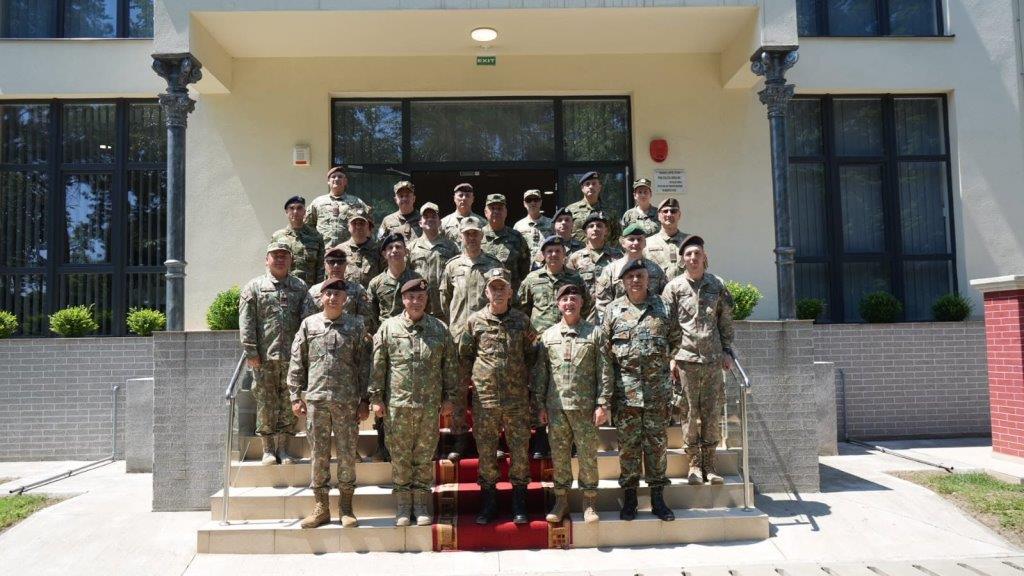
From 22 to 26 of June, 2026, the South-Eastern Europe Brigade (SEEBRIG) HQ conducted an immersive study and cultural trip to Romania. This visit highlighted the deep ties between the participating nations and showcased the brigade’s ongoing commitment to building strong regional security and military cooperation.
The SEEBRIG Family visited key Romanian military installations and explored historical sites. These activities provided staff with valuable insights into modern deterrence, civil-military cooperation, and Romanian and NATO’s defense posture. The trip proved to be a vital way for SEEBRIG members to improve teamwork while enjoying Romania’s rich cultural heritage.
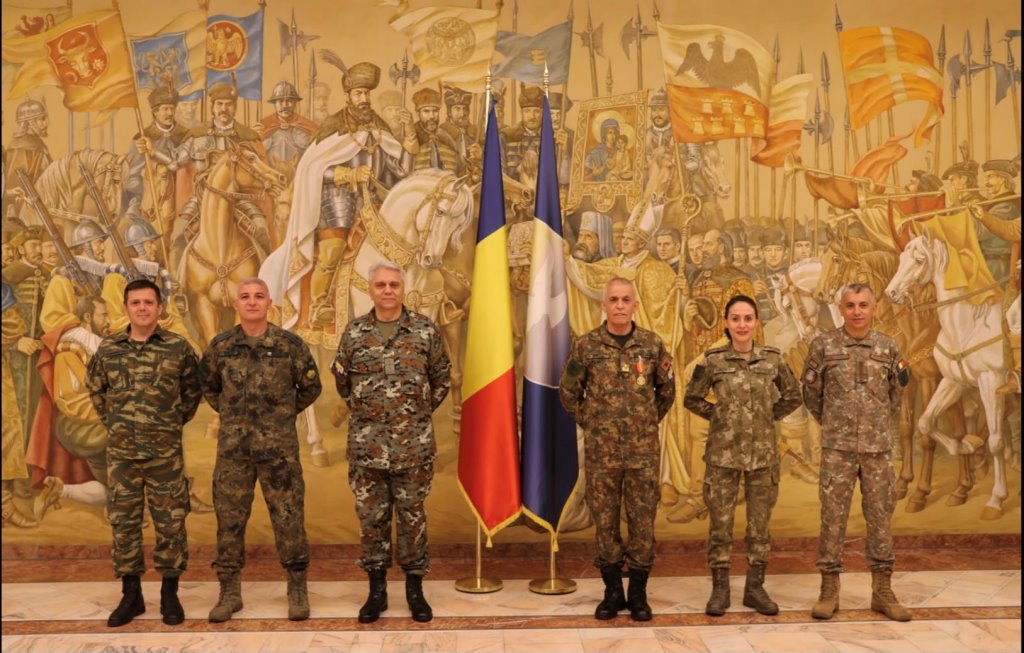
An evening at National Military Circle. The first day of the visit, started on the road toward Bucharest an concluded with an Official Dinner at the National Military Circle, offering guests the opportunity to experience Romanian hospitality in a distinguished historical atmosphere. The elegant surroundings of the Marble Hall created a memorable introduction to Romania’s culture, history, and traditions. The SEEBRIG guests were genuinely impressed by the Military Circle, one of Bucharest’s most elegant historical landmarks, built between 1911 and 1923 and designed as a prestigious meeting and cultural venue for the officers of the Romanian Army.
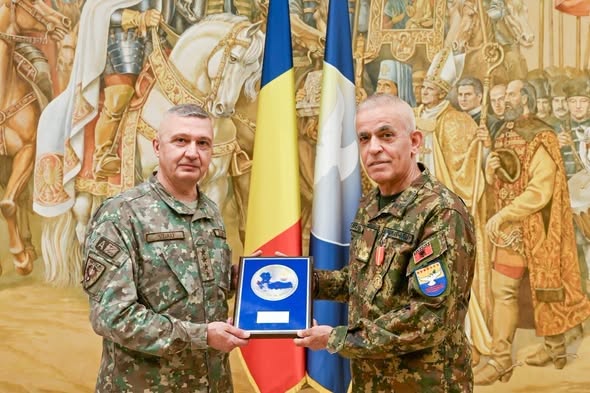
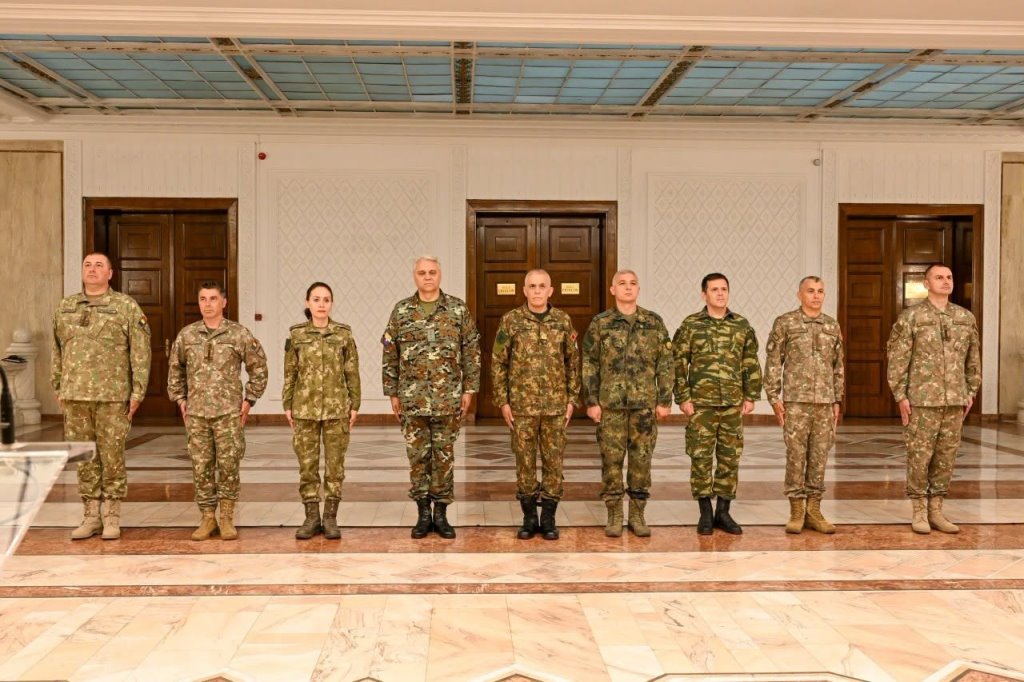
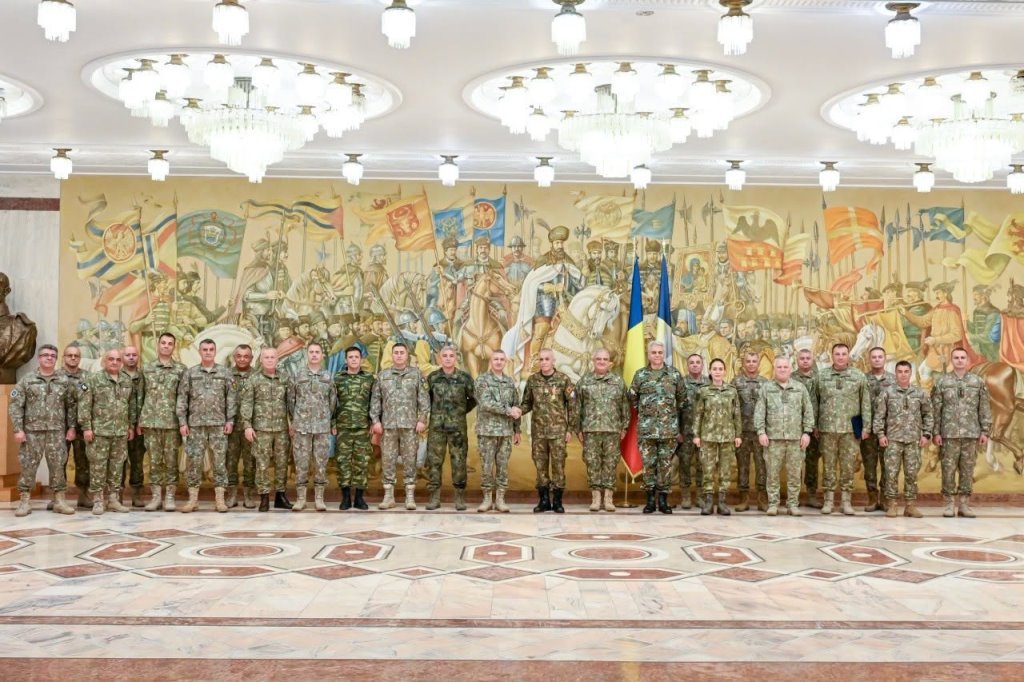
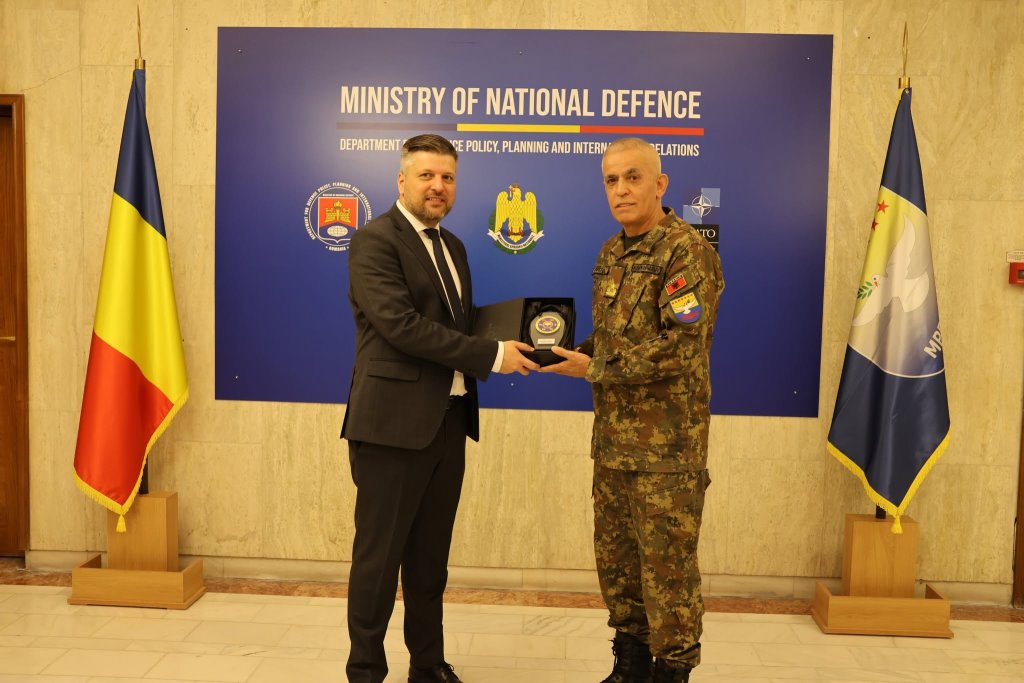
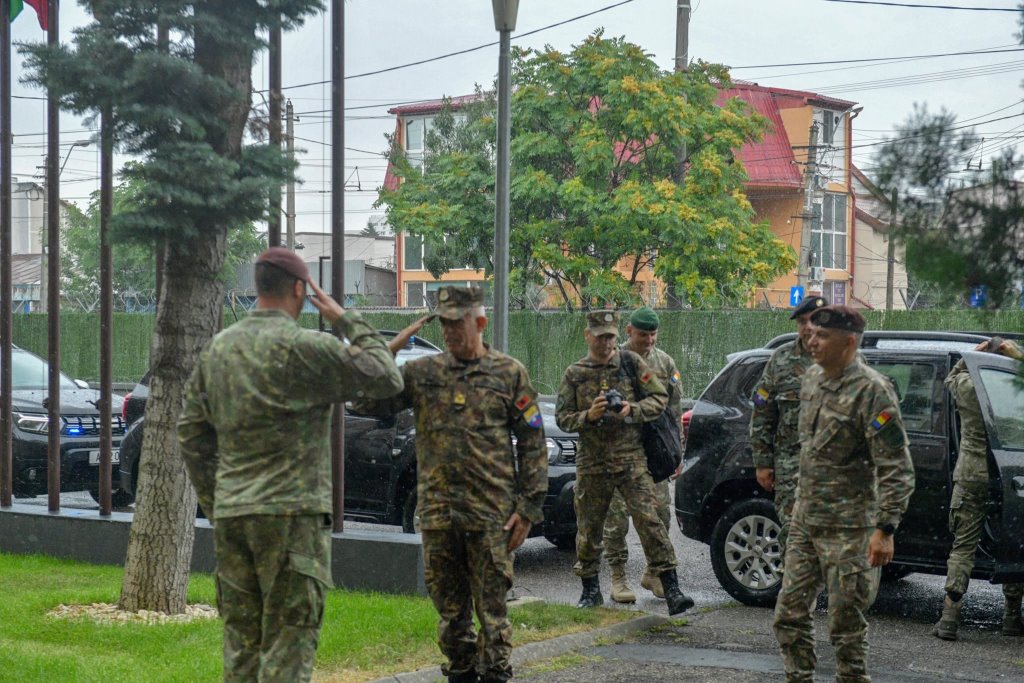
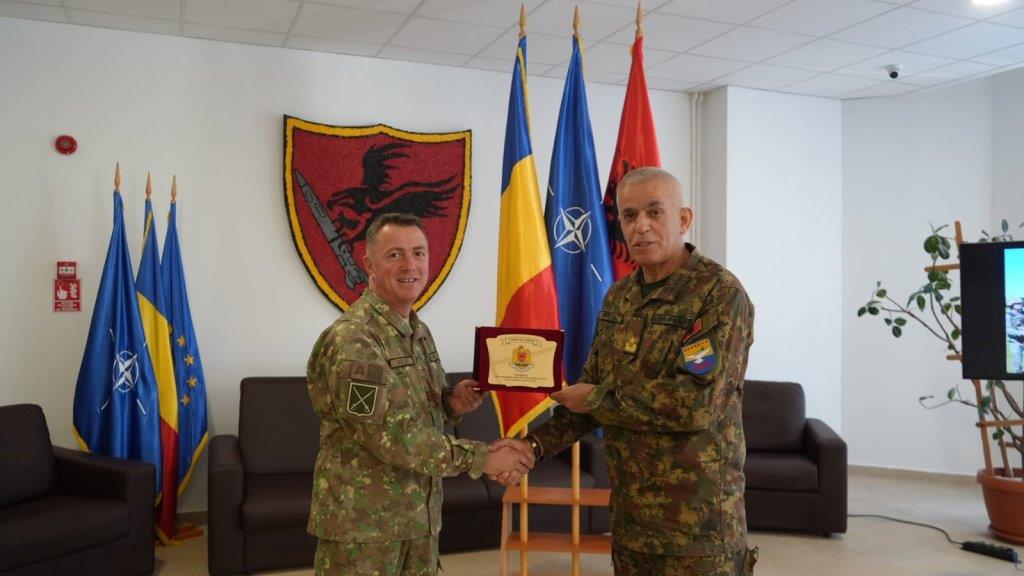
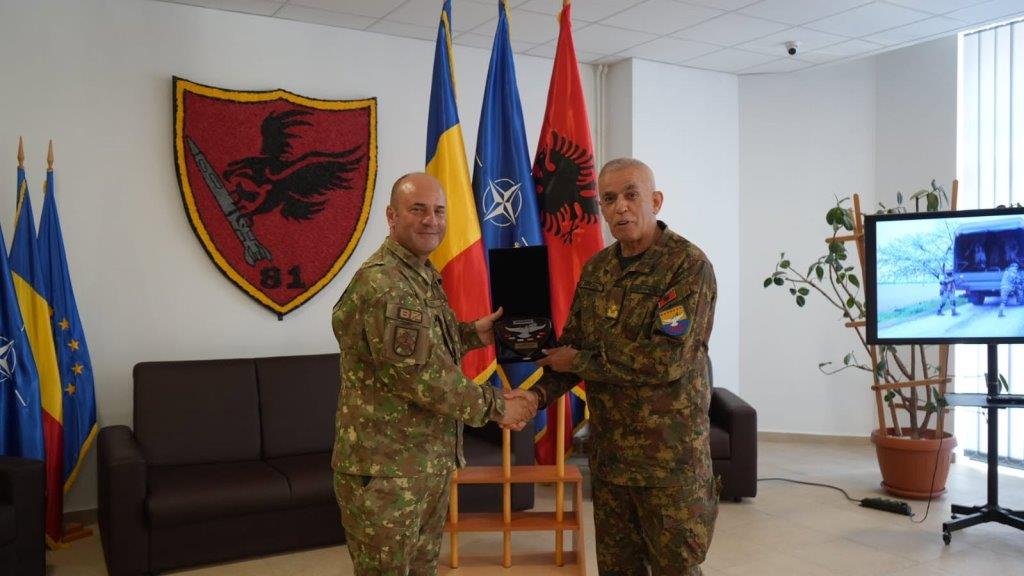
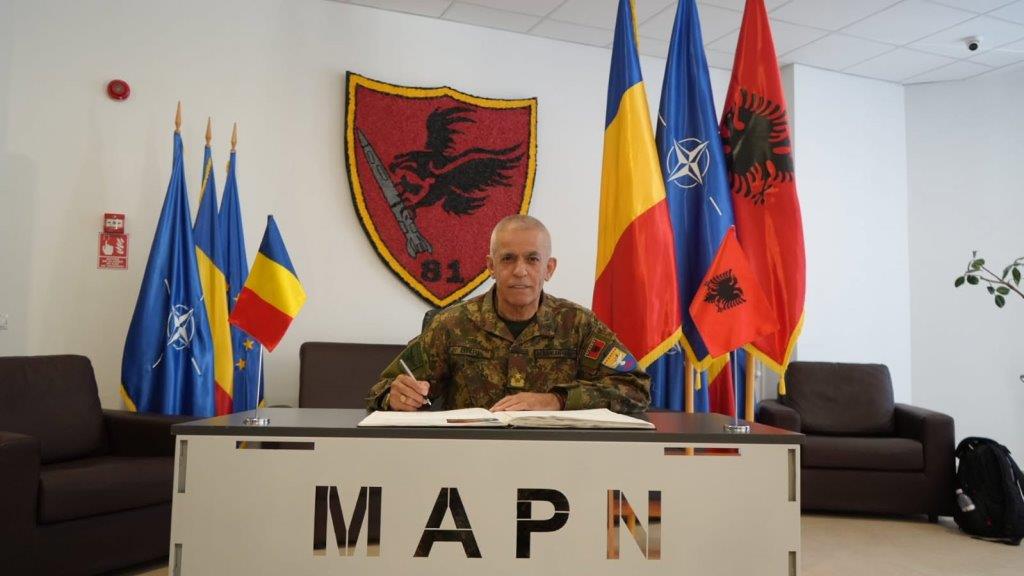
Visiting the Romanian Ministry of National Defense. On 23 June, SEEBRIG Commander (COM), Brigadier General Bilbil Bitri, led an HQ delegation in an official visit to the Romanian Defense Staff, in Bucharest, where they were welcomed by General Gheorghita Vlad, the Romanian Chief of Defense (CHOD).
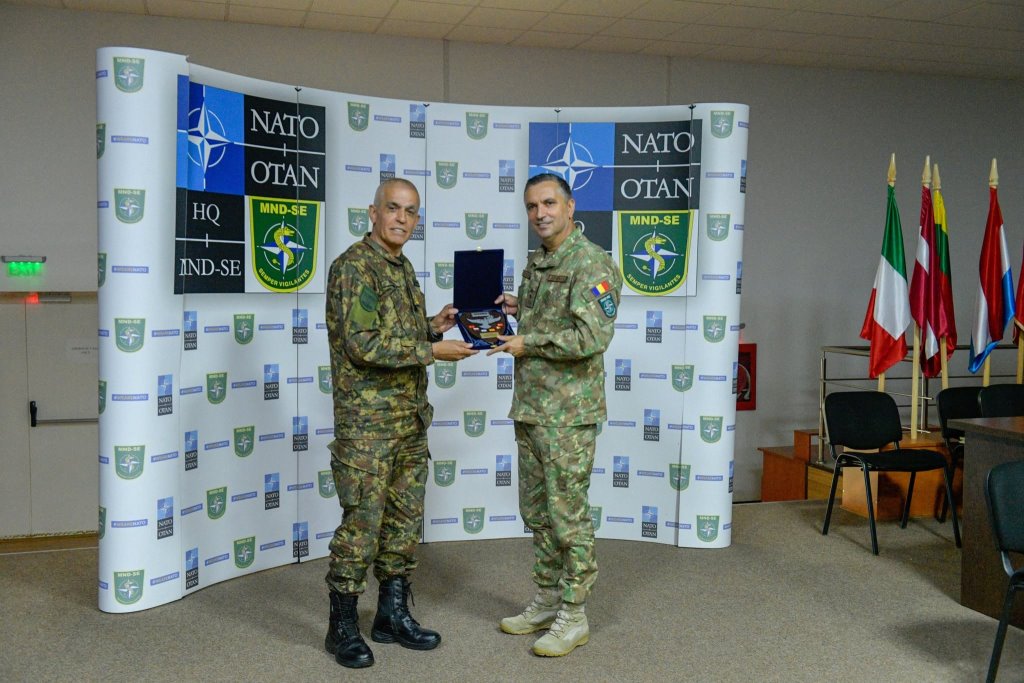
On this occasion, General Vlad, awarded General Bitri the Emblem of Honor of the Romanian Defense Staff, during a ceremony attended by a select audience formed of Romanian Defense Staff directors, deputy directors, unit commanders and other distinguished attendees. The distinction represents Romanian CHOD’s appreciation for General Bitri’s remarkable achievements during his three-year tenure as the SEEBRIG HQ Commander, a period characterized by enhanced readiness and increased visibility and relevance of this multinational regional Brigade Headquarters.
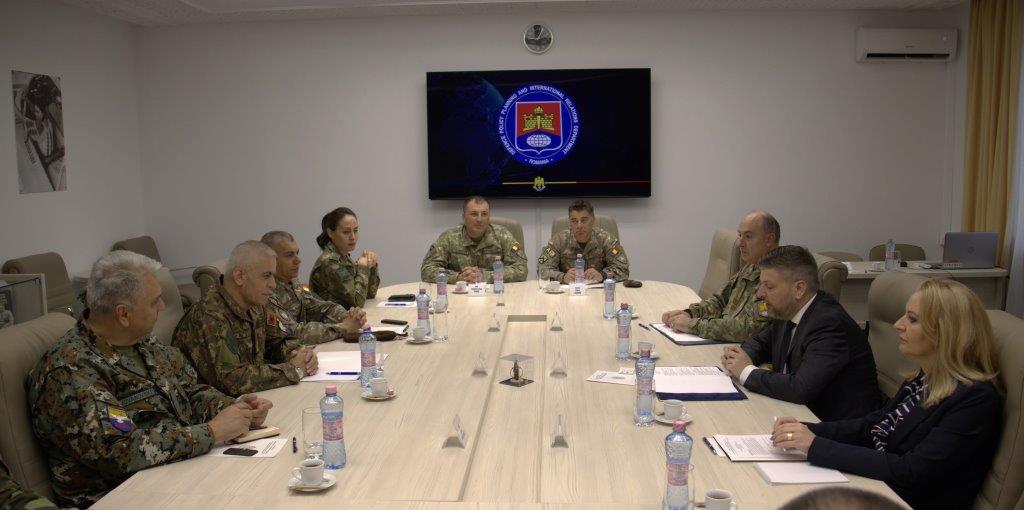
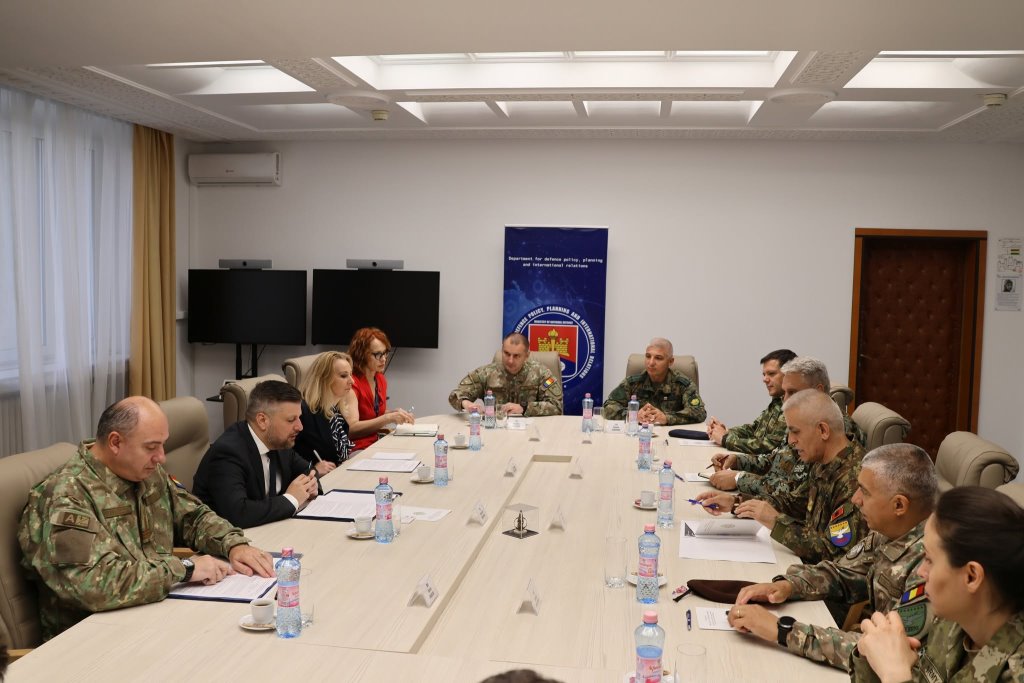
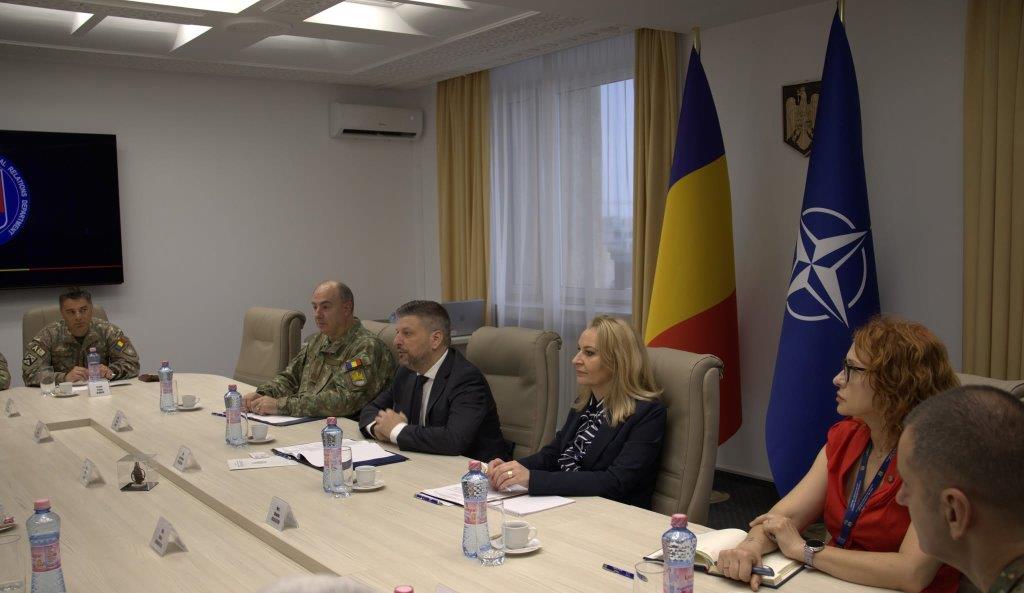
The visit continued with a meeting with Romania’s State Secretary for Defense Policy, Planning, and International Relations, Mr. Sorin-Dan Moldovan. During the meeting, COMSEEBRIG expressed the deep appreciation for Romania’s outstanding leadership during its 2023–2025 rotational presidency of the South-Eastern Europe Defense Ministerial (SEDM). The discussions highlighted Romania’s vital contributions to SEEBRIG, particularly in advancing joint training initiatives and defense cooperation projects.
The meeting focused on the essential role SEEBRIG plays in enhancing regional stability and boosting operational capabilities among member states. By aligning efforts through the SEDM framework, SEEBRIG continues to reinforce its mission as a pillar of regional security, ready to contribute to conflict prevention and peace-support operations, NAGTO or EU -led, under UN or OSCE mandates.
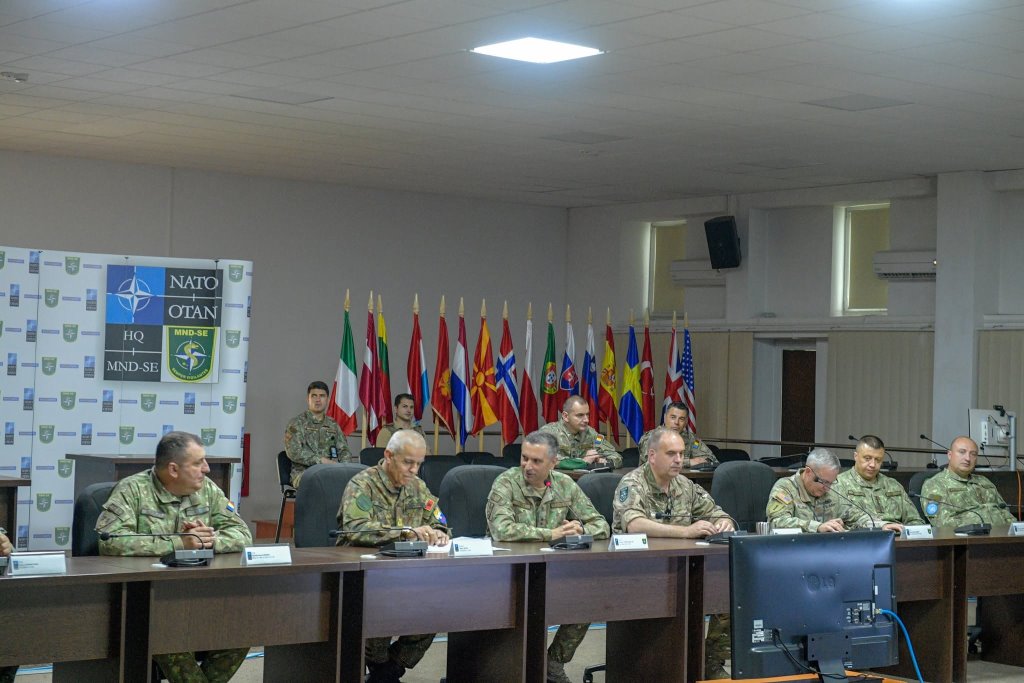
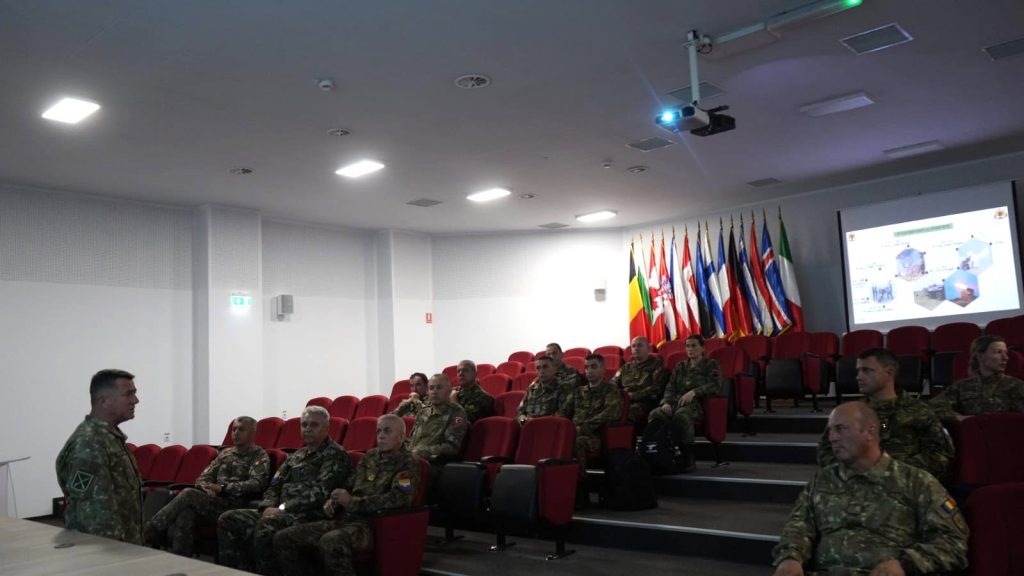
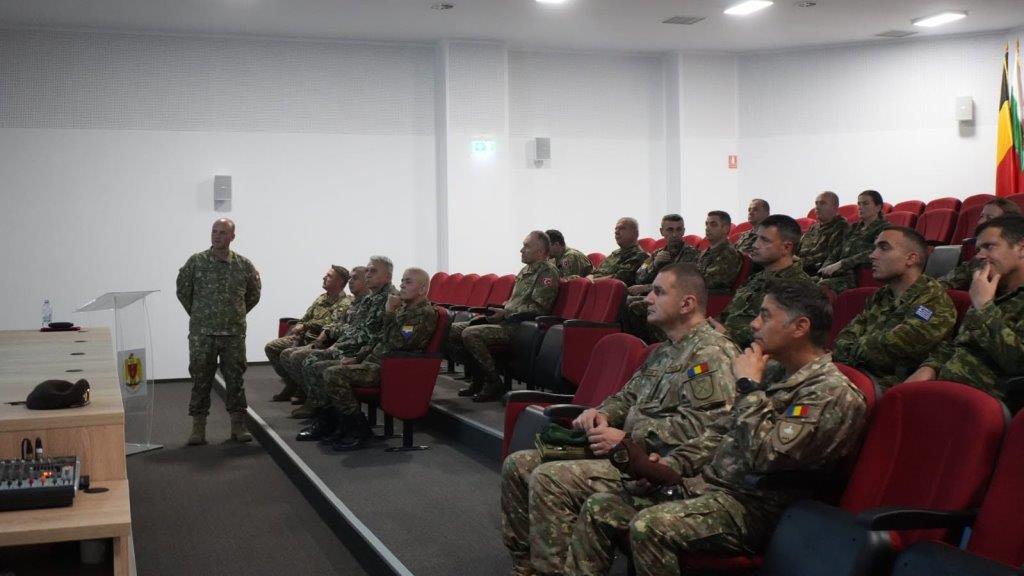
Strengthening cooperation in the South-Eastern Europe. Later that day, the SEEBRIG team visited the HQ Multinational Division South-East (MND-SE) in Bucharest. After a brief meeting between the SEEBRIG and MND-SE leadership, SEEBRIG Staff were introduced to MND-SE’s history, its evolution towards achieving and maintaining the Operational Capability, NATO Deterrence & Defense Posture in the region, MND-SE Force Structure, Higher HQ & Subordinated Units, and the Command & Control (C2) Architecture.
A special focus was placed on the Division’s training and exercises plan for 2026 and beyond, particularly the upcoming Exercise Carpathian Arc 2026 – the training venue for MND-SE re-certification.
Concluding the visit, COMSEEBRIG emphasized that “working tighter as a team is more important and more valuable now than ever” thus restating the importance of cooperation and joint effort by all stakeholders in order to improve regional security.
After the visits to the Romanian and NATO military facilities, the afternoon was dedicated to exploring one of the most remarkable architectural landmarks in the world: the Palace of the Parliament, an iconic symbol of Bucharest and Romania’s modern history.
Constructed between 1984 and 1997 the Palace of the Parliament is one of the largest administrative buildings in the world and the heaviest building ever constructed. Its enormous dimensions, monumental halls, marble decorations, crystal chandeliers, and luxurious interiors demonstrate the ambition and scale of the project; the building covers approximately 365,000 sqm and contains hundreds of rooms, including conference spaces, monumental halls, elegant ceremonial spaces, galleries, offices, grandiose staircases, etc.
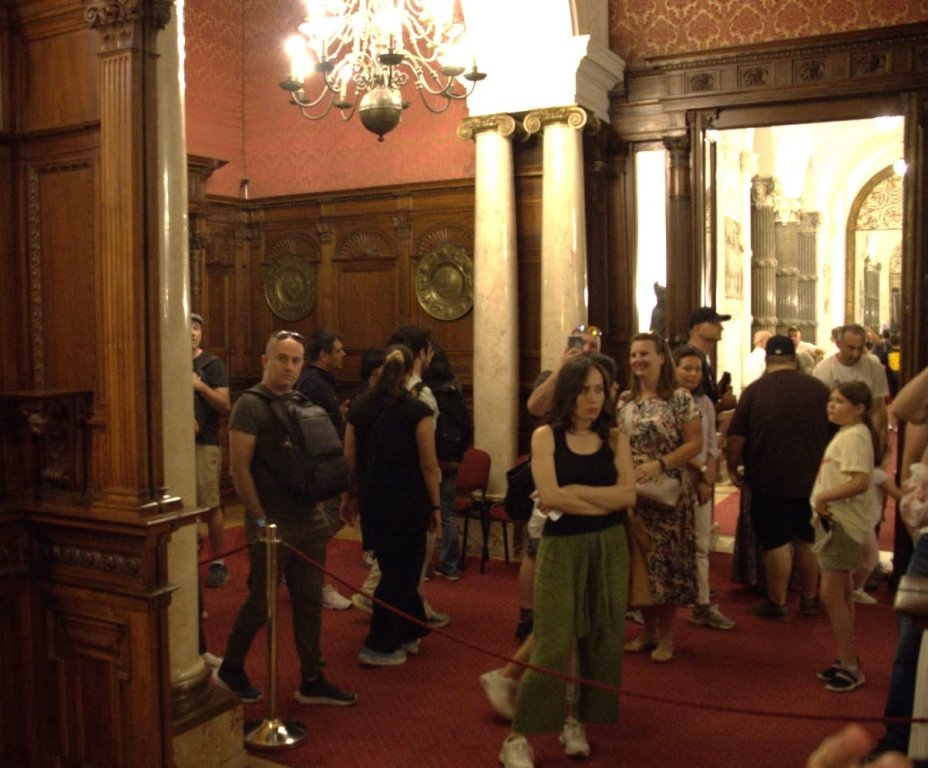
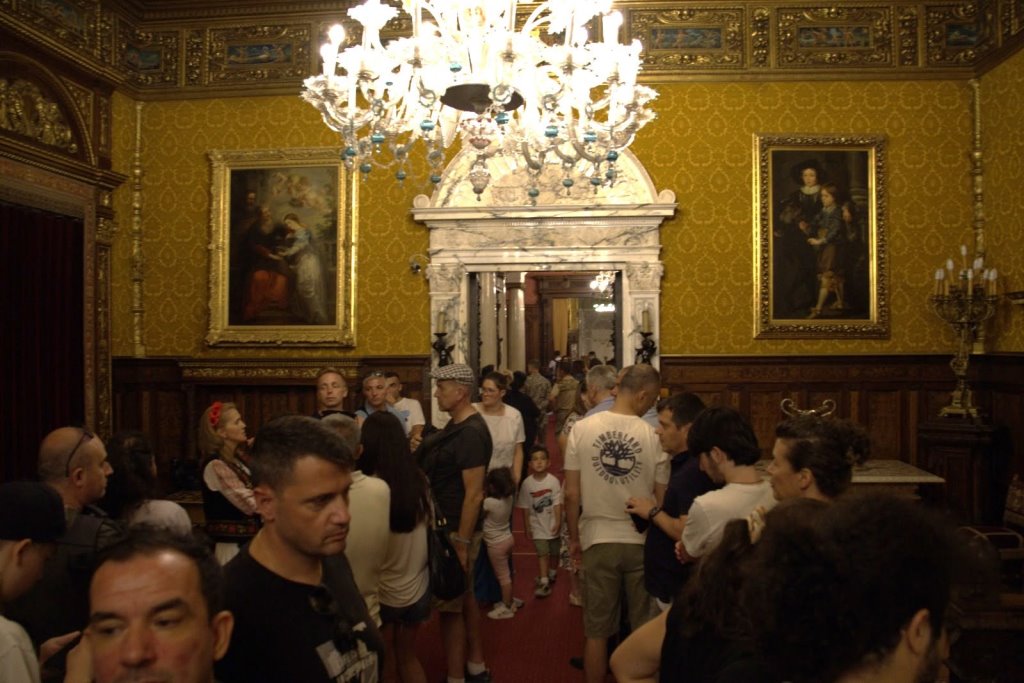
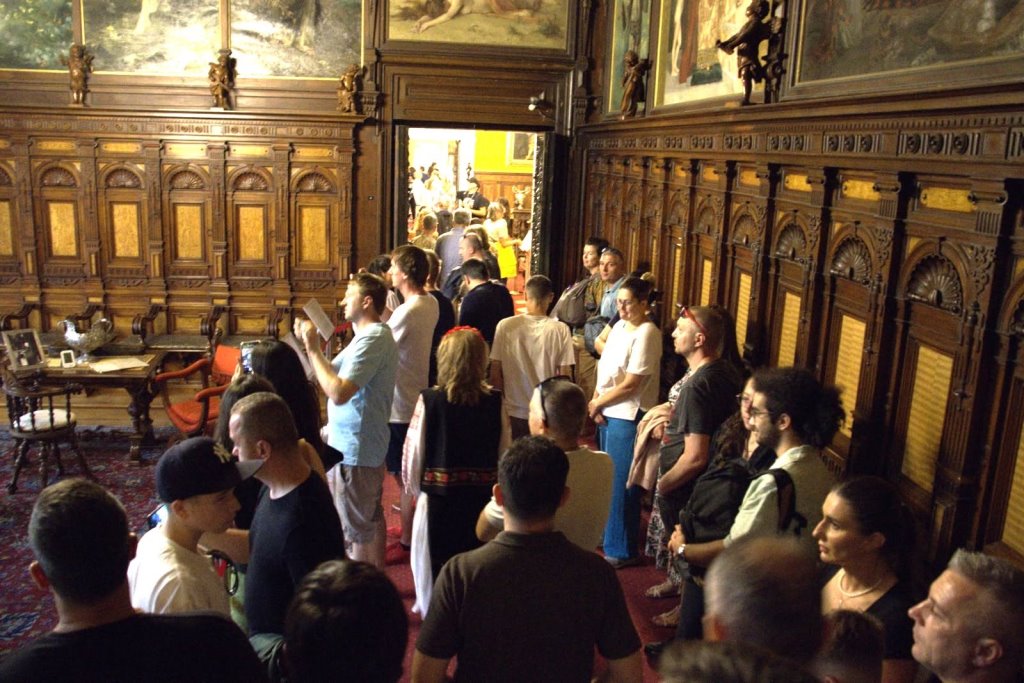
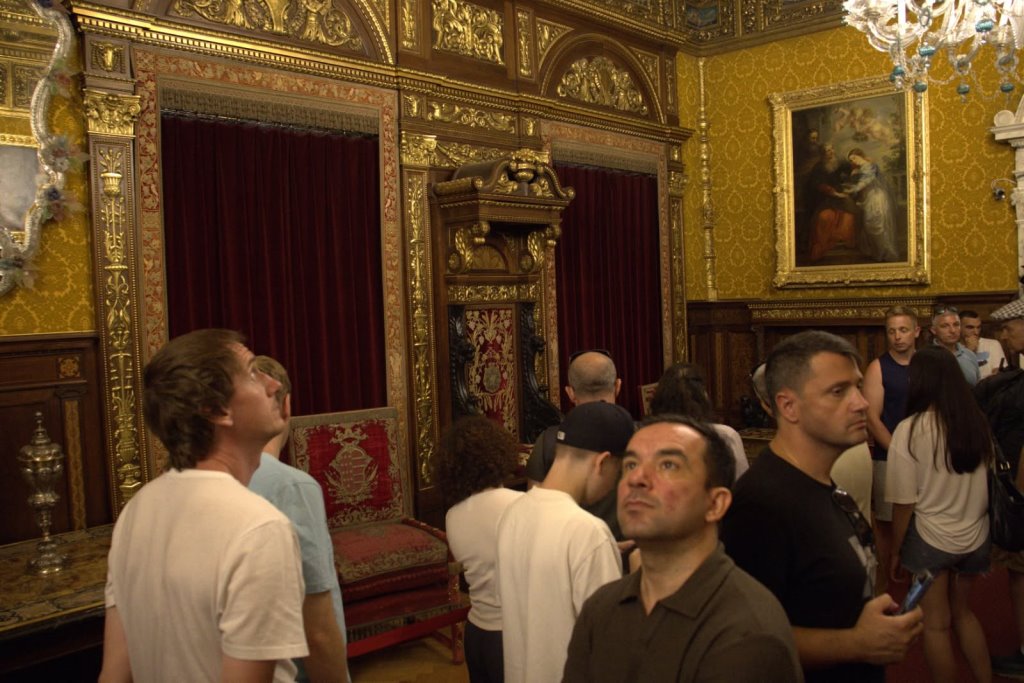
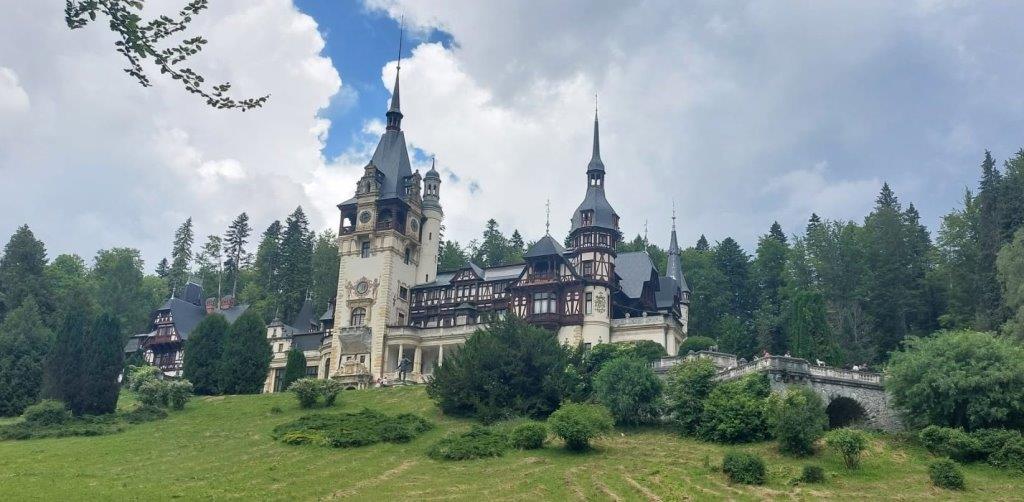
Connecting with the history. On 24 June, the SEEBRIG Family had yet another excellent opportunity to foster deeper cooperation and bonding; by visiting the iconic Peles Castle in Sinaia, in the Carpathian Mountains, personnel from the contributing nations engaged in meaningful cultural interaction that strengthened interpersonal relations and team spirit.
The visit to Peles Castle offered profound insights into the region’s past from a cultural and historical perspective; the trip allowed the SEEBRIG staff and their family members to immerse themselves in country’s rich heritage, exploring the Neo-Renaissance architecture of the former Romanian royal residence built by King Carol I.
This shared educational experience transcended routine military duties, building trust and unity through a mutual understanding and appreciation of regional and European history and culture.
The SEEBRIG multifaceted experience in Romania continued on 25 June, when the HQ Nucleus Staff and their family members visited to the historical region of Moldavia and the city of Focsani, a place with a significant military and historical heritage.
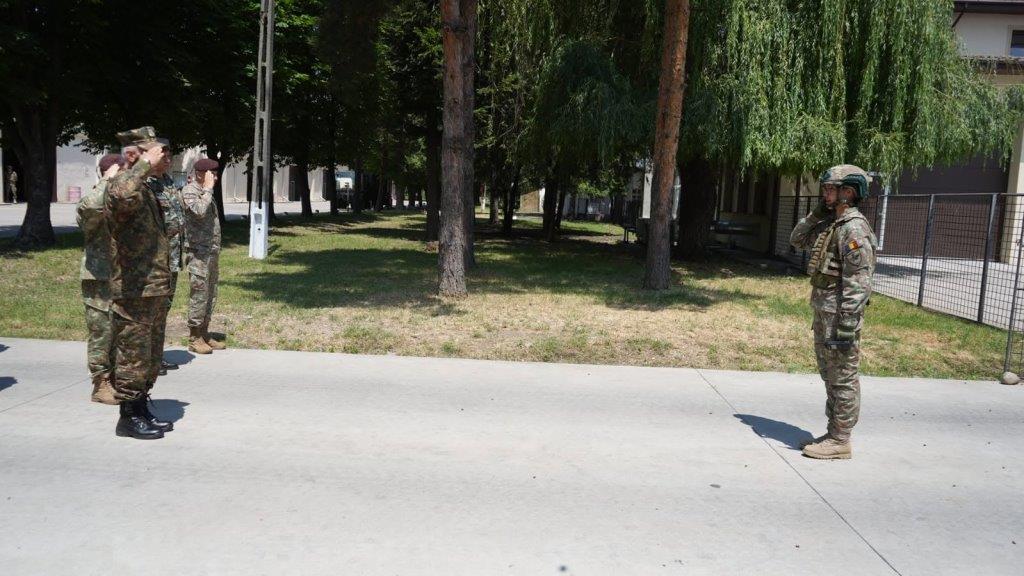
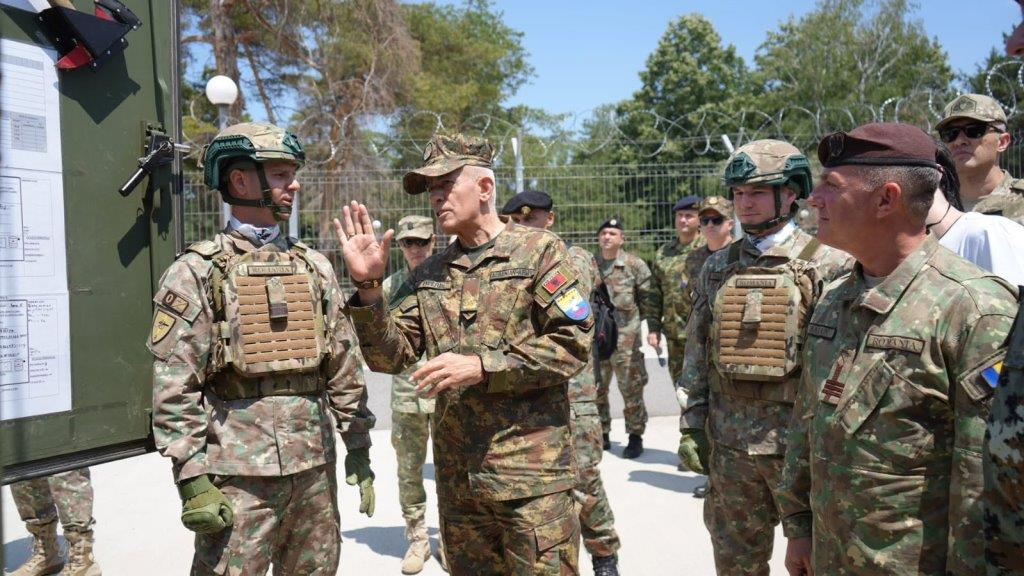
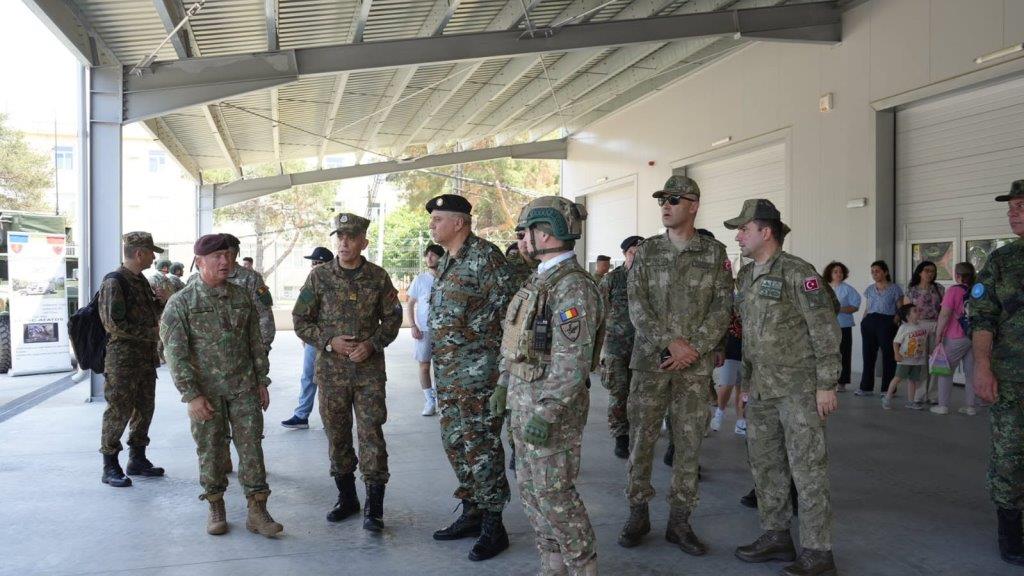
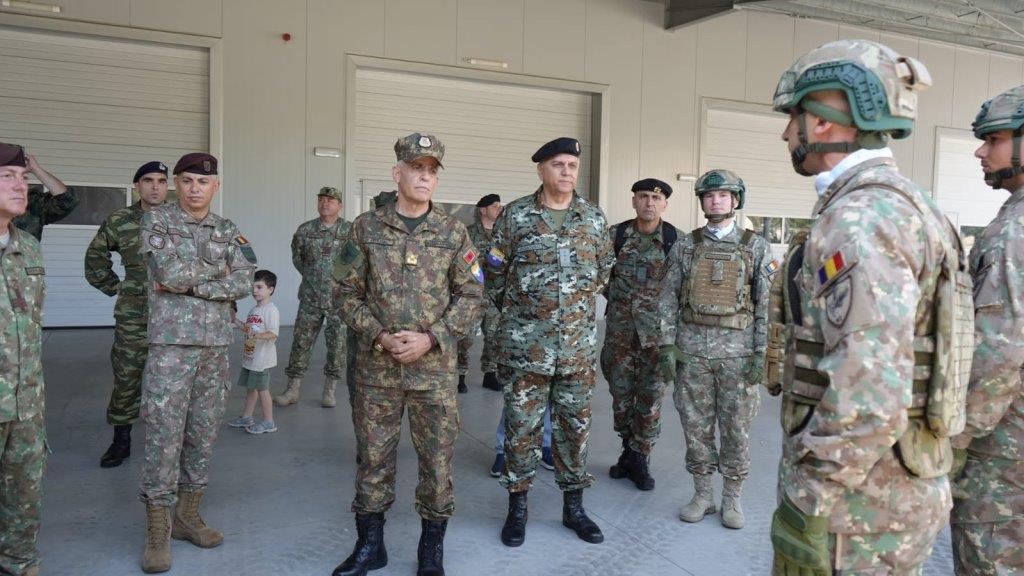
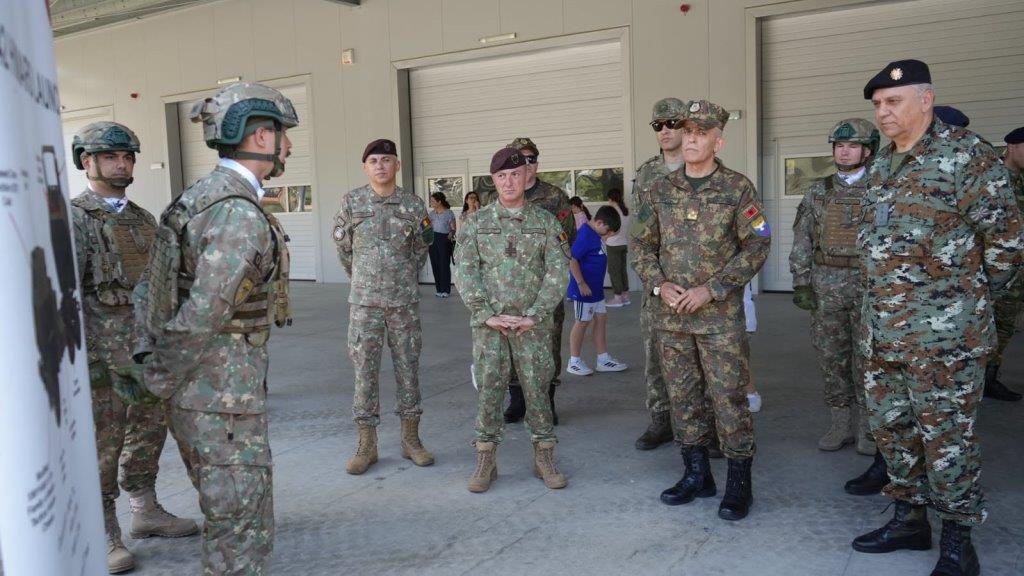
The day started with a visit to the 282nd Mechanized Brigade “Unirea Principatelor”, one of the Romanian Land Forces’ most important combat formations, where the SEEBRIG Team was welcomed by BG Claudiu Topor, the Brigade Commander. During the visit, the SEEBRIG delegation had the opportunity to learn about the brigade’s mission, organisation, training activities, and its role within the Romanian Armed Forces and NATO’s collective defence framework.
The next stage of the visit to Focsani led the SEEBRIG Team to the 8th Tactical Operational Missile Brigade, a modern artillery formation equipped with the High Mobility Artillery Rocket System (HIMARS), one of the most advanced precision strike systems currently employed by NATO forces. After the warm reception provided by the Brigade Commander, Colonel Costel-Sorin Balan, the SEEBRIG staff and their family members were provided an insight into the recent modernisation of the Brigade, highlighting the importance of advanced technology and interoperability with allied forces.
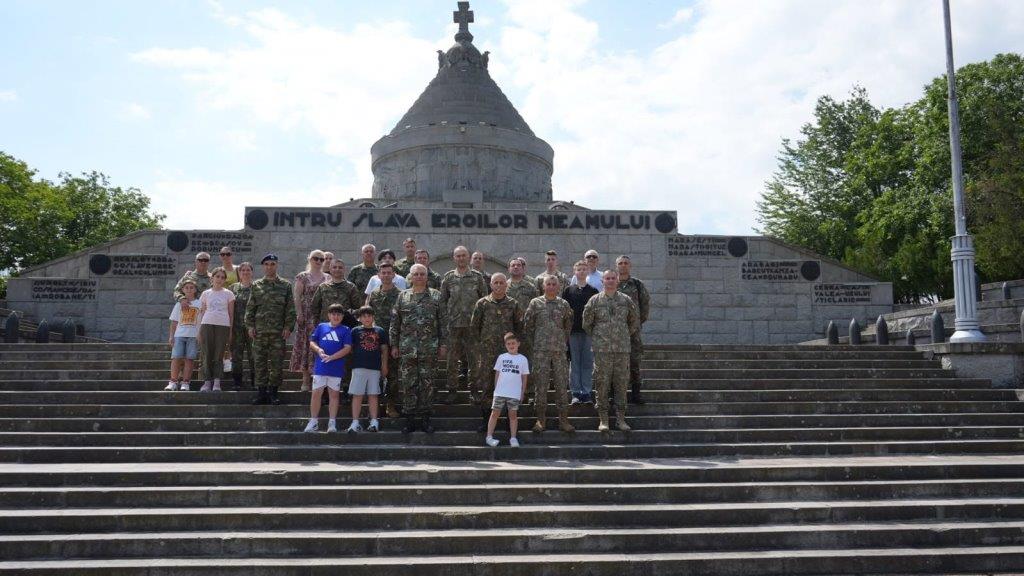
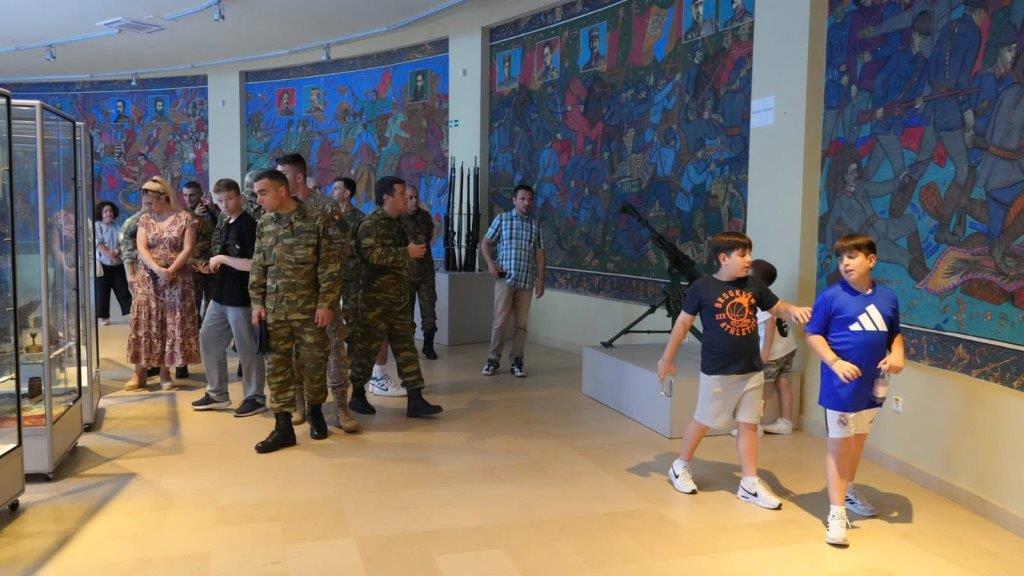
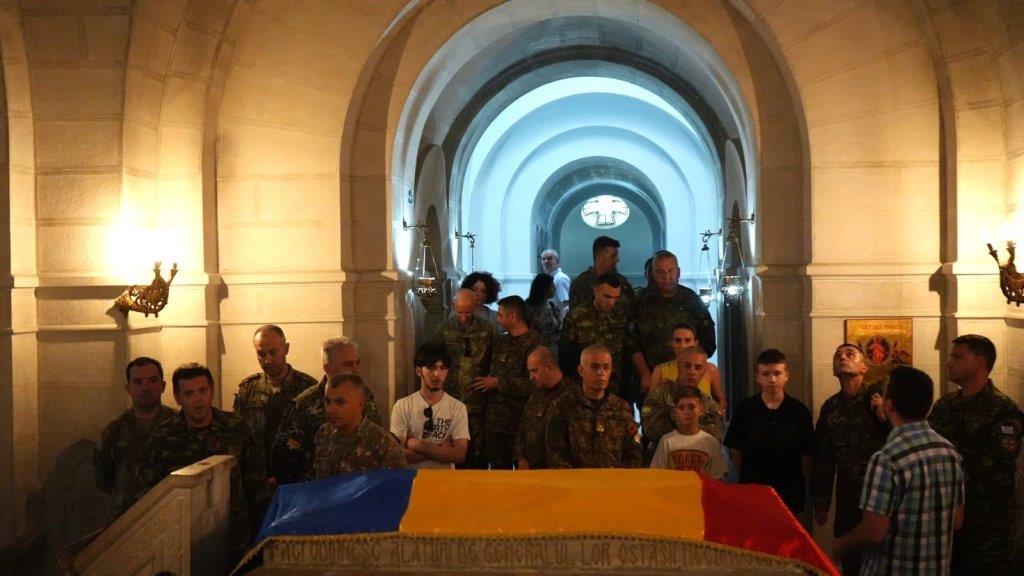
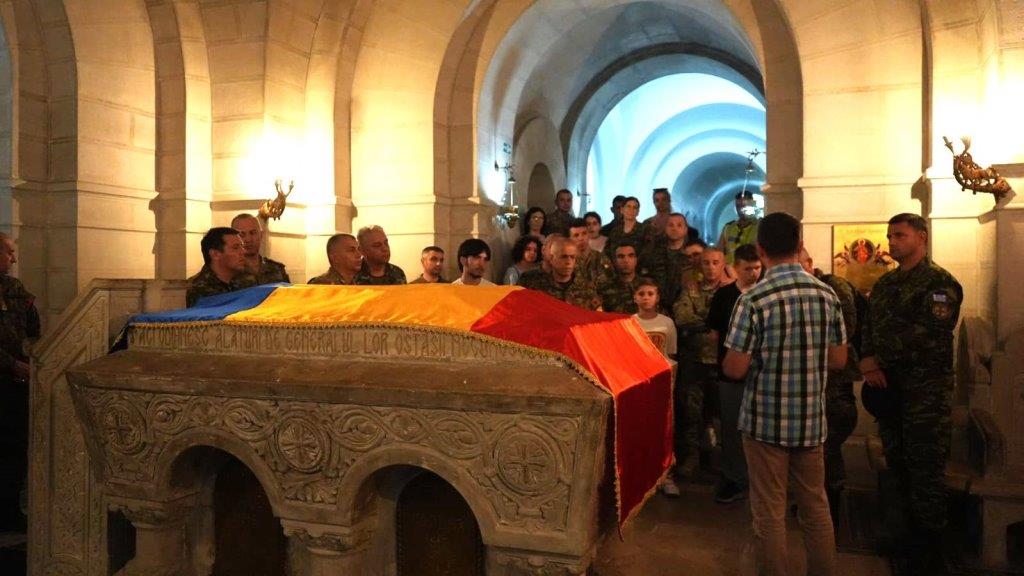
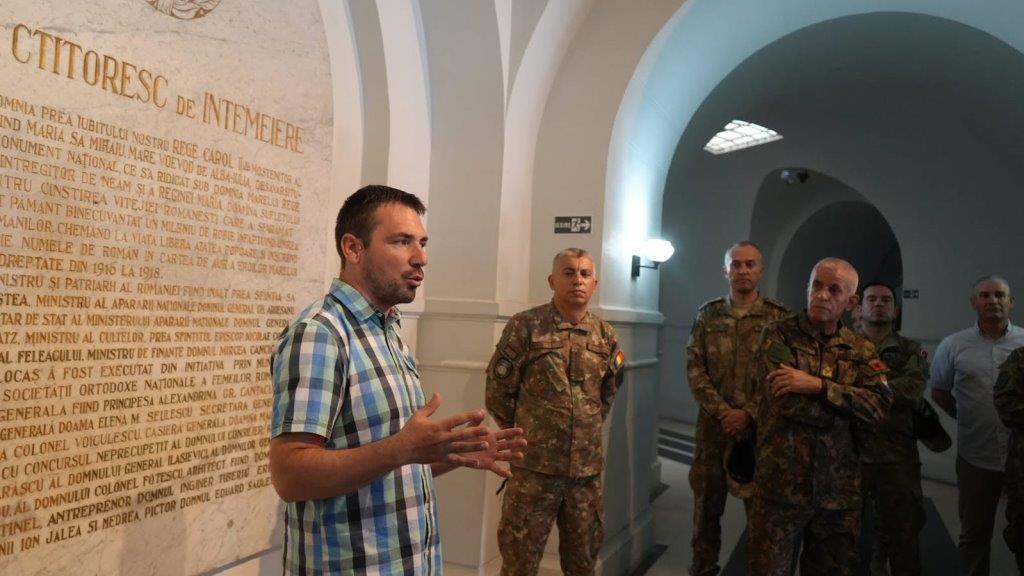
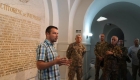
In the afternoon, the SEEBRIG delegation continued their journey to Marasesti, home to one of Romania’s most grandiose national memorials: the Marasesti Mausoleum. Built to honor the soldiers who fought and sacrificed their lives during the WWI Battle of Marasesti, the Mausoleum contains the remains of more than 5,000 Romanian soldiers.
The visits to the Romanian Army brigades in Focsani and the Marasesti Mausoleum provided a great opportunity for the SEEBRIG Family to enhance understanding and appreciation of Romanian and regional past and present heritage. The remaining of the day was reserved for preparing for the long journey back to North Macedonia, scheduled for the next day.
During the five-day multi-dimensional visit to Romania, the SEEBRIG Family took the opportunity to engage in meaningful cultural interaction that strengthened interpersonal bonds and team spirit, while visiting several national landmarks. By blending military engagements with cultural experiences for families, this visit strengthened the “One Team, One Mission” spirit and fostered future stability in South-Eastern Europe.