THE ANNUAL SEDM – DCHOD’s MEETING IN TBILISI – REFLECTIONS
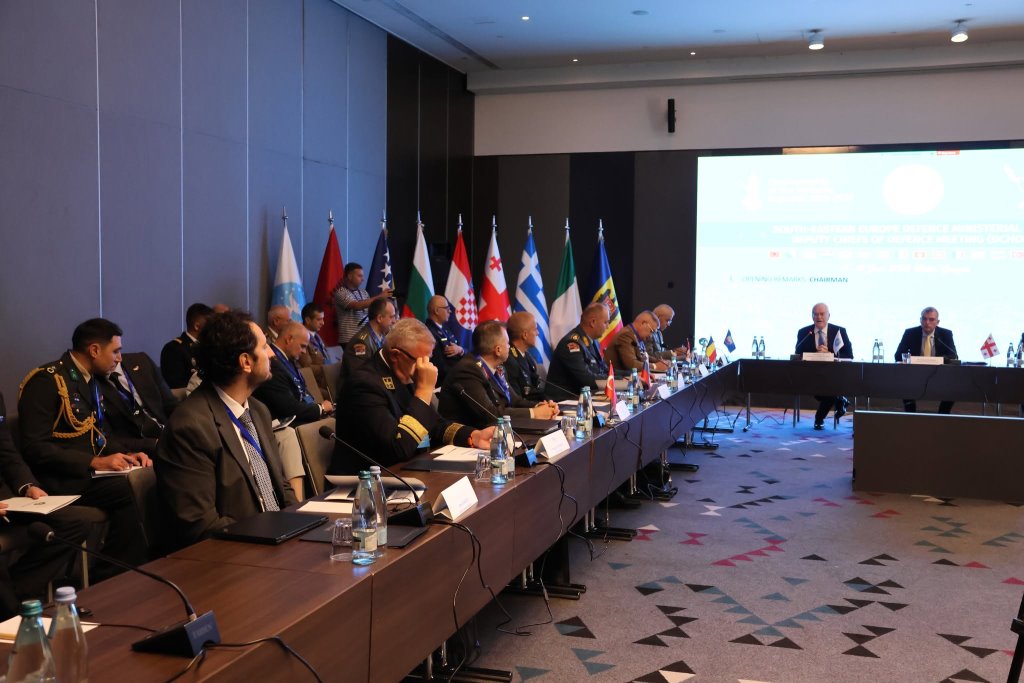
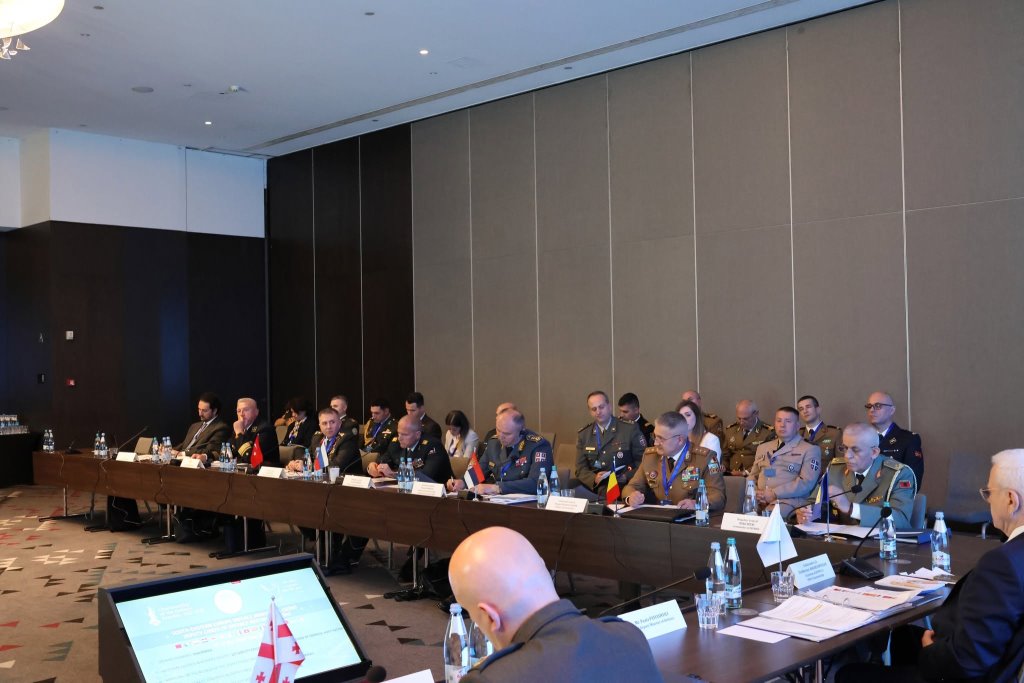
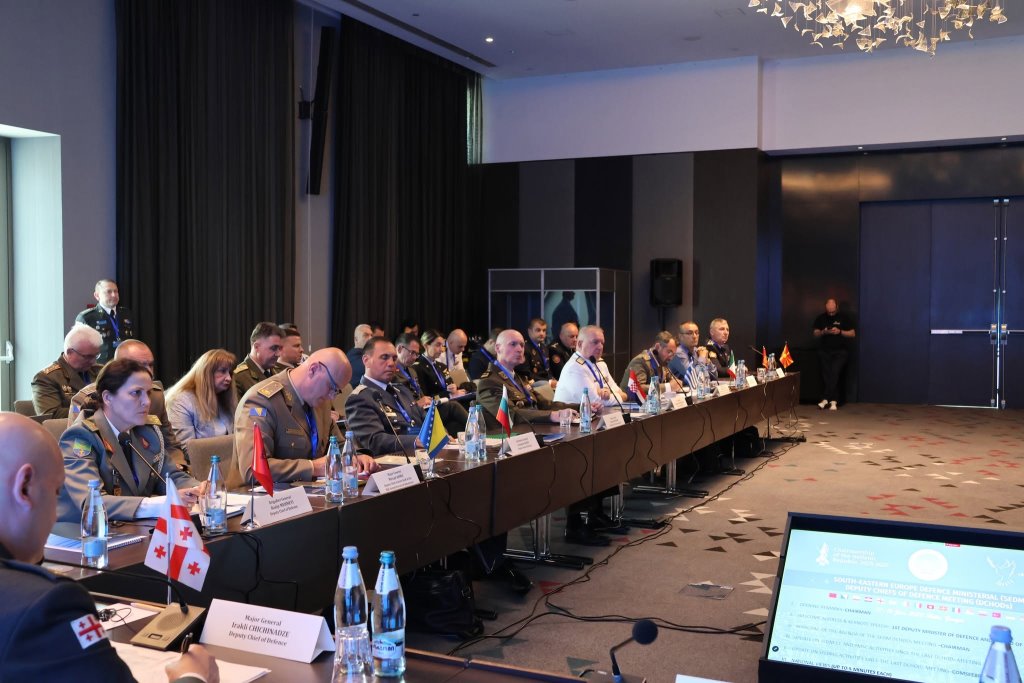
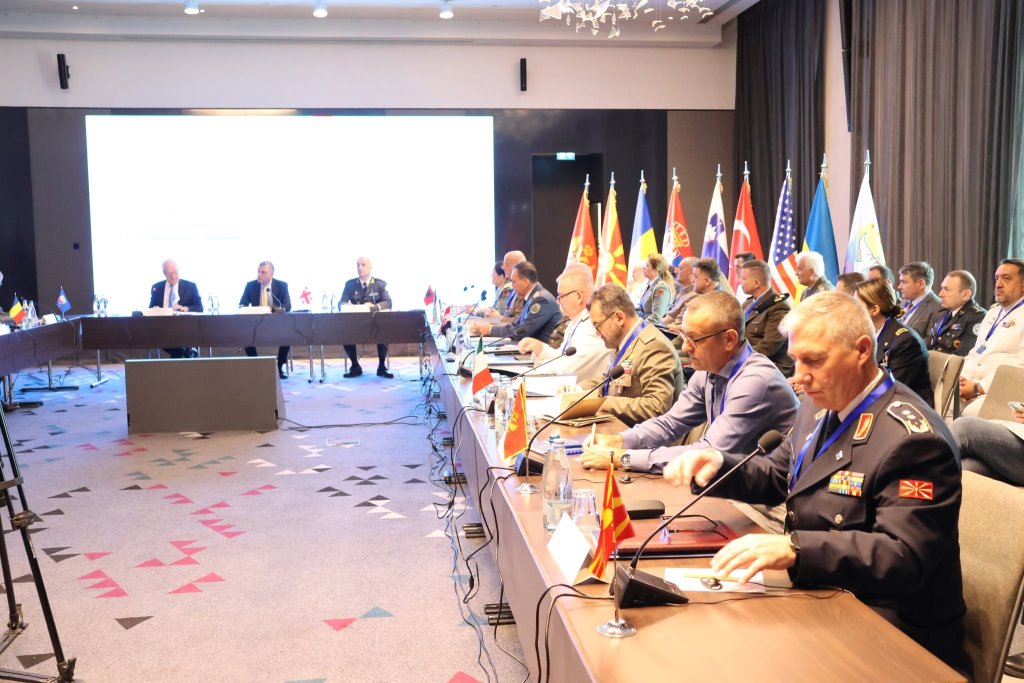
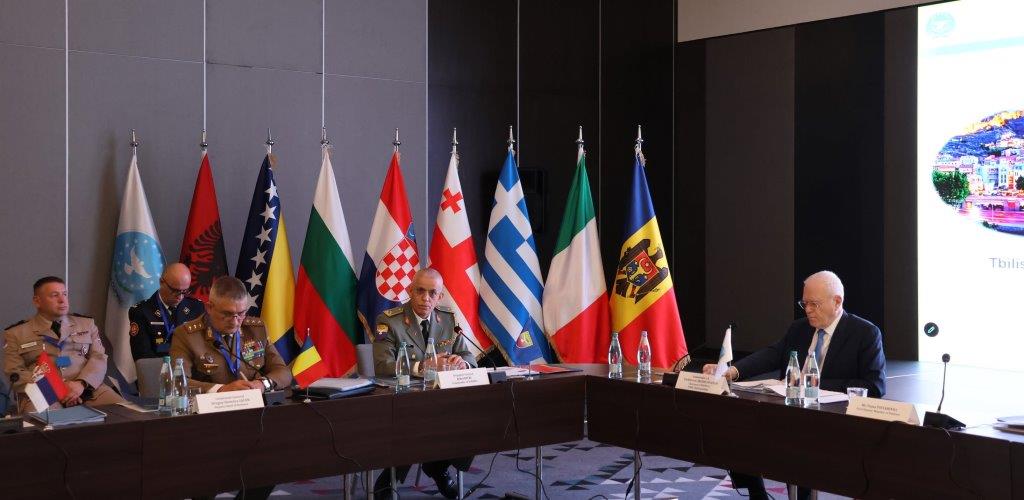
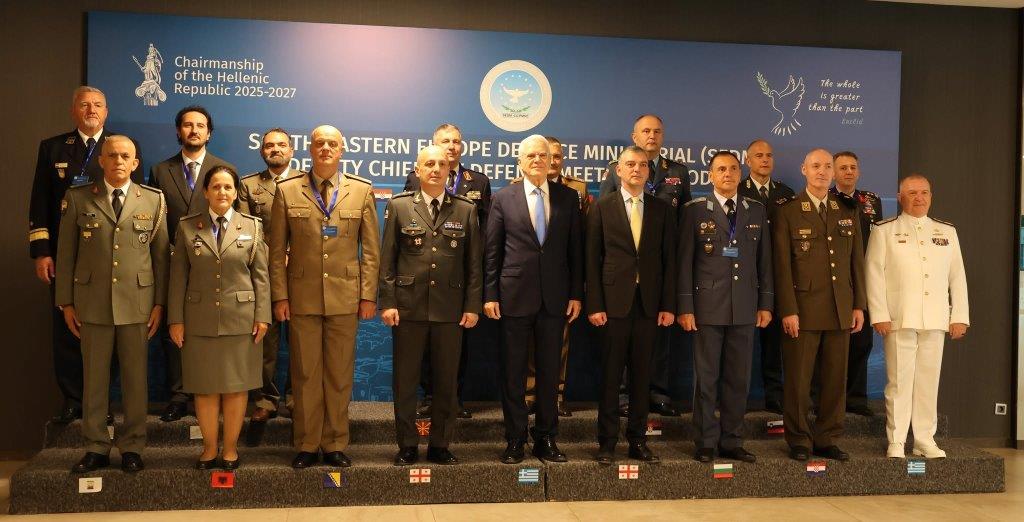
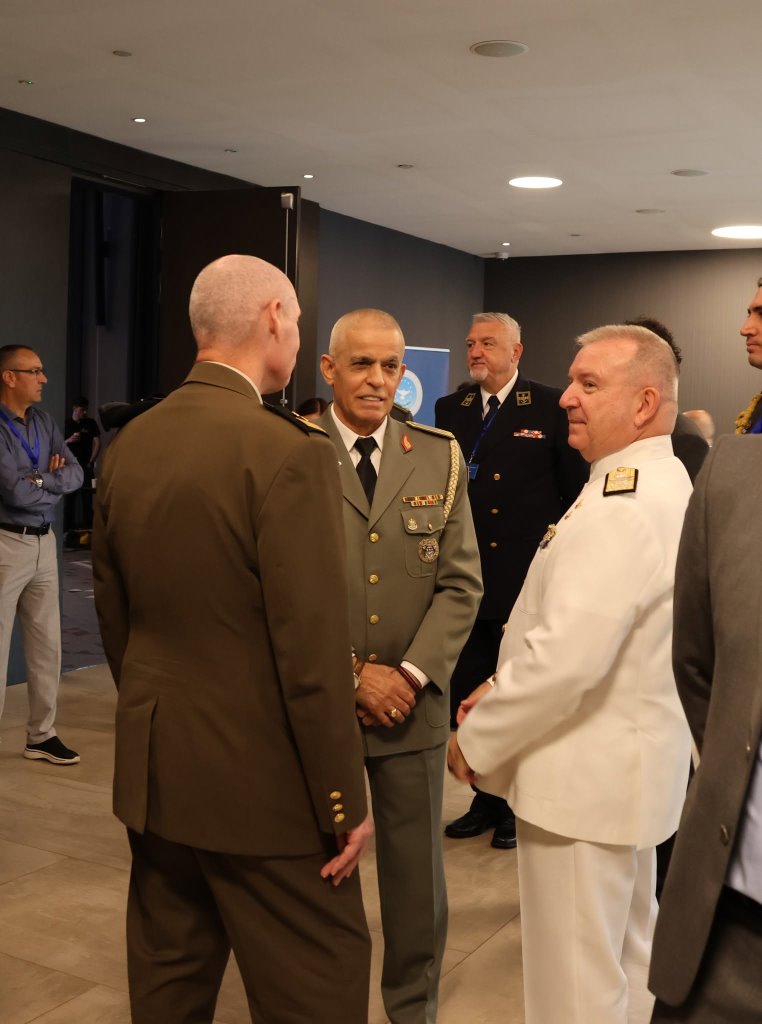
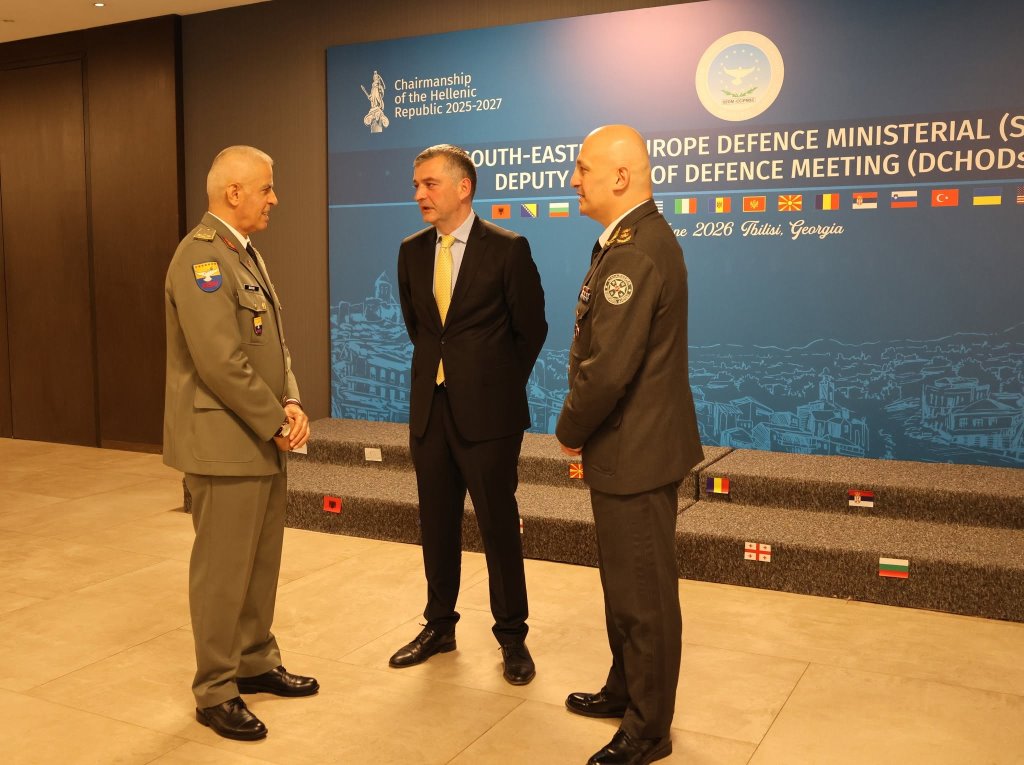
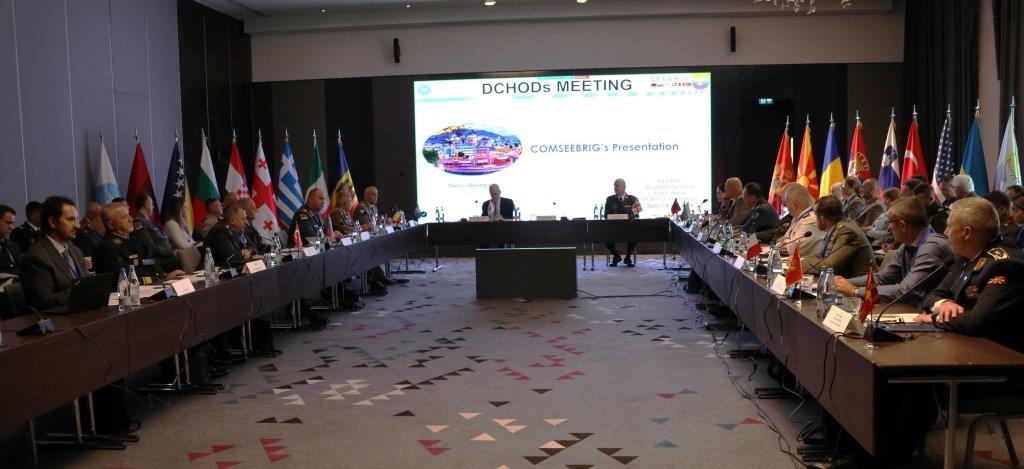
On 18 June 2026, Deputy Chiefs of Defence (DCHOD) from the South-Eastern Europe Defence Ministerial (SEDM) nations convened in Tbilisi, Georgia, for their annual meeting dedicated to strengthening regional security cooperation and shaping the future trajectory of the South-Eastern Europe Brigade (SEEBRIG).
The gathering reaffirmed the collective determination of the Member Nations to preserve one of South-Eastern Europe’s most successful multinational defence initiatives, aware of challenges an increasingly complex and evolving security environment presents.
Preserving an Enduring Idea While Adapting to Future Challenges
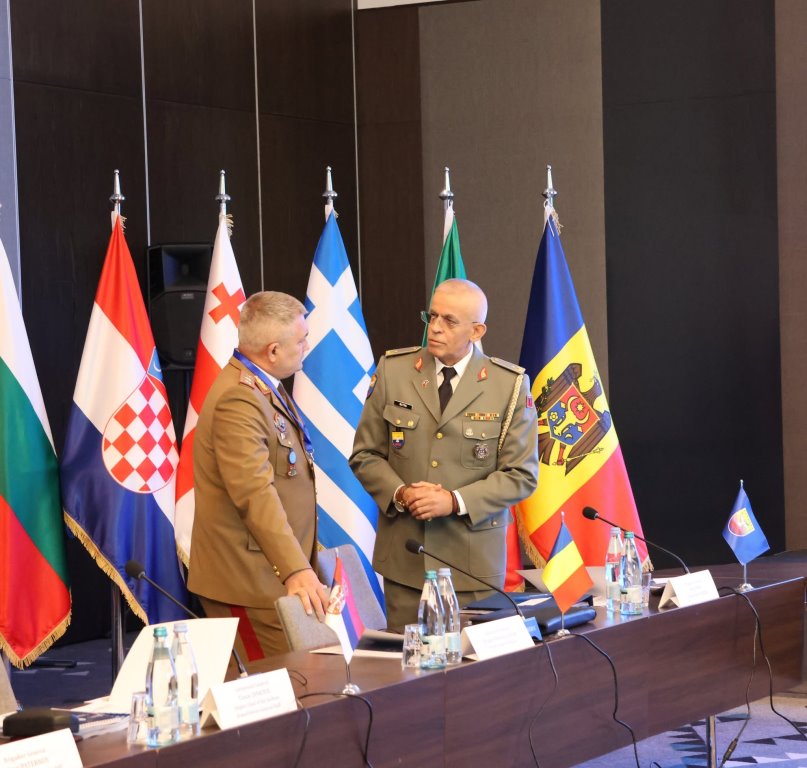
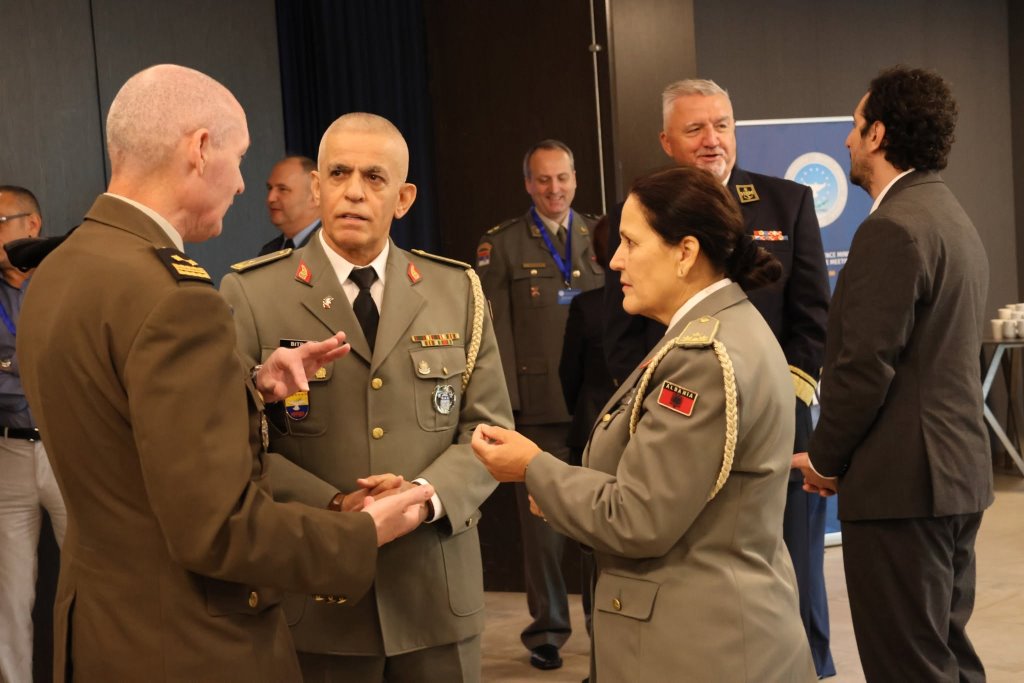
One of the highlights of the meeting was the presentation and address delivered by Commander of SEEBRIG, Brigadier General Bilbil Bitri, who briefed the participants on the Brigade’s activities and achievements since the last DCHOD meeting, while also providing an overview of the ongoing efforts associated with SEEBRIG’s relocation. He further reflected upon his tenure and acknowledged the collective efforts that have enabled the Brigade’s continued success.
Expressing sincere gratitude to all participating nations, he particularly recognised Nation 5 for hosting both himself during his three-year mandate and SEEBRIG Headquarters during the past six years.
More importantly, his remarks articulated a clear strategic vision for the Brigade’s future.
“To my belief, SEEBRIG is an idea worth preserving. It can and must be more relevant because the world has already changed and SEEBRIG must adapt.”
His statement captured the essence of the discussions held in Tbilisi: safeguarding the legacy of SEEBRIG while ensuring its continued relevance within a rapidly changing geopolitical and security landscape.
The discussions reaffirmed that adaptability, interoperability and multinational cooperation remain essential pillars for maintaining SEEBRIG as a credible and effective regional security instrument.
The Strength of Collective Action
The meeting also highlighted the broader significance of the SEDM Process as a platform for political and military dialogue among South-Eastern European nations.
Chairman of the SEDM Coordination Committee/Political-Military Steering Committee (SEDM-CC/PMSC), Ambassador a.h. Eleftherios Anghelopoulos, emphasised the tangible benefits achieved through sustained multinational cooperation.
“Today we have shown that the progress we achieved together surpasses what any of us could accomplish alone.”
His remarks reinforced a fundamental principle that has guided the SEDM Process for decades: regional security can only be effectively achieved through solidarity, trust and shared responsibility.
Throughout the discussions, national representatives demonstrated a common understanding that contemporary security challenges increasingly transcend national borders and require coordinated multinational responses.
Security, Prosperity and the Value of Cooperation
As host nation, Georgia reiterated its unwavering commitment to strengthening regional partnerships and promoting collective security.
Addressing the participants, First Deputy Minister of Defence of Georgia, Mr. Paata Patiashvili, underscored the direct relationship between security, prosperity and cooperation among nations.
“Our security and our prosperity is interconnected. Long lasting peace and prosperity can only be achieved through close cooperation and collaboration.”
His message resonated strongly with the broader objectives of the meeting, emphasising that sustainable peace and regional resilience can only be built through enduring partnerships and a shared strategic vision.
SEEBRIG’s Relocation: New Chapter, New Opportunities
A central point of discussion was the ongoing relocation process of SEEBRIG Headquarters to Istanbul, which marks a major transition in the Brigade’s institutional development.
The Member Nations reviewed the forthcoming milestones associated with the relocation process. The execution phase is scheduled to commence at the beginning of July 2026, while the activation phase will begin in early August, requiring SEEBRIG to achieve Initial Operational Capability (IOC) by 14 August 2026.
The transition will be formally commemorated through two important ceremonies: the Closing Ceremony in Kumanovo on 15 July 2026, concluding six years of successful hosting by North Macedonia, and the Opening Ceremony in Istanbul on 27 August 2026, inaugurating SEEBRIG’s new headquarters under Türkiye’s host nation responsibilities.
These milestones symbolise not merely a geographical relocation, but the beginning of a new chapter aimed at strengthening SEEBRIG’s operational relevance and regional contribution.
Looking Ahead: Reinforcing SEEBRIG’s Strategic Relevance
The DCHOD Meeting in Tbilisi represented far more than a routine institutional engagement. It served as a strategic bridge between SEEBRIG’s accomplished past and its future evolution.
As the Brigade prepares to establish its new headquarters in Istanbul, Member Nations reaffirmed their commitment to ensuring that SEEBRIG remains an adaptable, deployable and credible multinational instrument capable of responding to emerging security challenges.
The meeting once again demonstrated that the strength of the SEDM Process lies not only in its institutional structures, but in the collective determination of its Member Nations to pursue common security objectives.
The excellent organisation of the event and the generous hospitality extended by the host nation were widely appreciated by all participants, reflecting Georgia’s longstanding commitment to fostering regional dialogue and defence cooperation.
The outcomes of the Tbilisi meeting have therefore laid a solid foundation for the next chapter of SEEBRIG’s development, guided by a shared vision of regional solidarity, operational effectiveness and enduring politico-military cooperation in South-Eastern Europe.